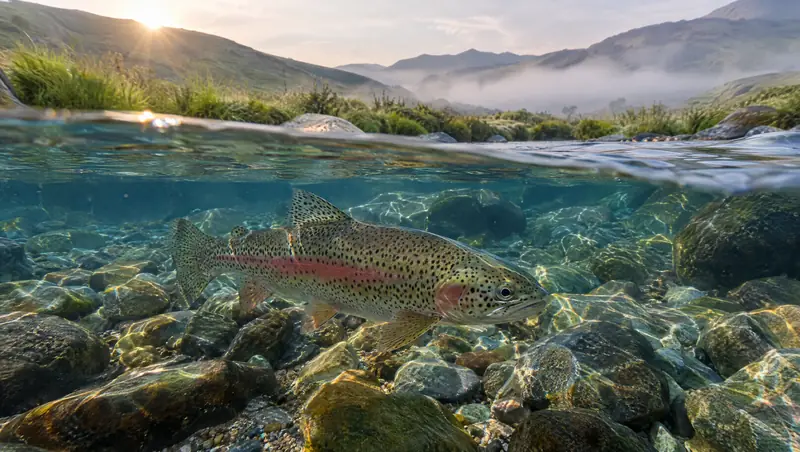
Trout fingerlings, fresh and smoked trout from the Mpumalanga Highlands
Stillriver Trout breeds rainbow and brown trout in cold spring water near Dullstroom. We stock dams and venues, supply kitchens, and help new farmers get started.
- Fish health checked before every dispatch
- Stocking advice with every order
- You speak to the people who raise the fish
- Delivering to Dullstroom
Trout fingerlings for sale in Mpumalanga, raised a short drive from your dam
Most people who contact Stillriver Trout want one of four things: young fish for a dam, fresh or smoked trout for a kitchen, help starting a farm, or a day out at the water. The farm is set up around all four, because they all start in the same place: a hatchery that controls its fish from the egg.
That matters to you in plain ways. Fingerlings that hatched and grew in cold Highlands water are already used to conditions close to yours. Table fish come to your kitchen days, not weeks, out of the water. And when you ask whether your dam can hold trout, you get an answer from people who manage water temperature and oxygen every day.
Can your dam actually hold trout?
This is the first real decision, and it comes before price. Trout are cold-water fish. A dam that is shallow, sunny and still can get too warm and too low in oxygen in late summer, and that is when stocked trout die. Plenty of Highlands dams are fine. Some are not, and a few are fine only if they are deep enough to hold a cool layer.
So before we quote, we ask three questions: how big is the surface, how deep is the deepest part, and where does the water come from. A spring-fed or stream-fed dam with depth is the easy case. A shallow run-off dam is the case where we may tell you to stock fewer fish, stock later in the season, or choose a different species.
Rainbow trout feed best between about 7 and 18 °C and go off their food as the water warms beyond that. Water above about 21 °C for more than a few hours can kill them. Brown trout grow best around 13 °C and are more sensitive to heat. Those are the numbers we plan every stocking around.
From eyed egg to table fish
Every fish we sell has been through the same stages in our hatchery. Tap a stage to see what happens.
Eyed ova
The eggs are 3 to 7 mm across, and the dark eye shows when the embryo is far enough along to be moved safely. How long they take to hatch depends almost entirely on water temperature.
Hatching: about 21 days at 14.4 °CIn very cold water: about 100 days at 3.9 °C
Alevin (yolk-sac fry)
Newly hatched fish stay on the bottom and live off their yolk sac. About 10 to 14 days after hatching they swim up to the surface and start taking tiny starter feed.
Living off the yolk: 2 to 4 weeksSwim-up: 10 to 14 days after hatching
Fry
Swim-up fry are fed little and often in the hatchery. This is the most delicate stage, and the reason clean, well-oxygenated water matters from day one.
Target size: about 5 cm, 2 gTime from swim-up: 1.5 to 3 months
Fingerling
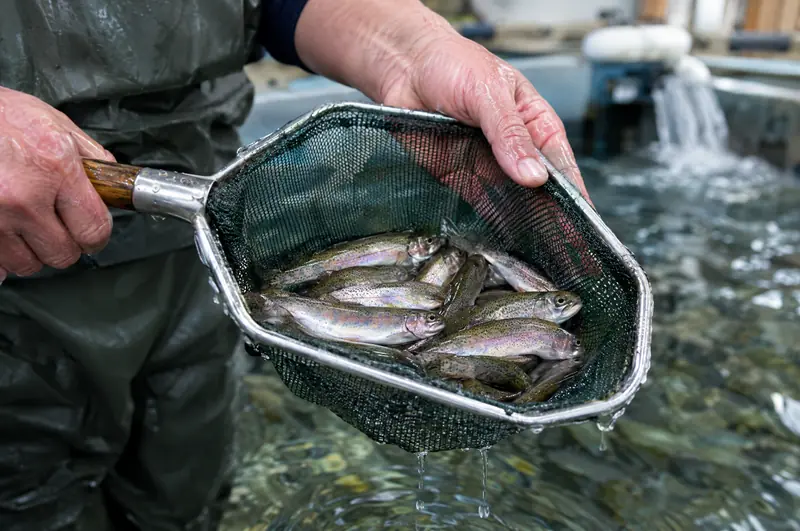
This is the stage most dam owners buy. The fish are big enough to handle transport and a new home, and small enough to grow on in your water.
Target size: about 12.5 cm, 25 gTime from fry: 3 to 4.5 months
Table fish
Fish grown on to at least 250 g are table size. Ours go to kitchens fresh or through the smokehouse. Bigger fish simply take longer.
Minimum size: 250 gTime from fingerling: 4 to 6.5 months
Growth times are typical figures at 5 to 15 °C with good feed. Colder water means slower growth. Read the full life cycle guide.
Fresh and smoked trout for kitchens and shops
Restaurants, delis and butchers in Mpumalanga and Gauteng buy whole fish, fillets and smoked trout from us on a weekly schedule. Because we grow the fish ourselves, we can tell you size, harvest date and how it was handled, and we can keep a standing order steady through the year.
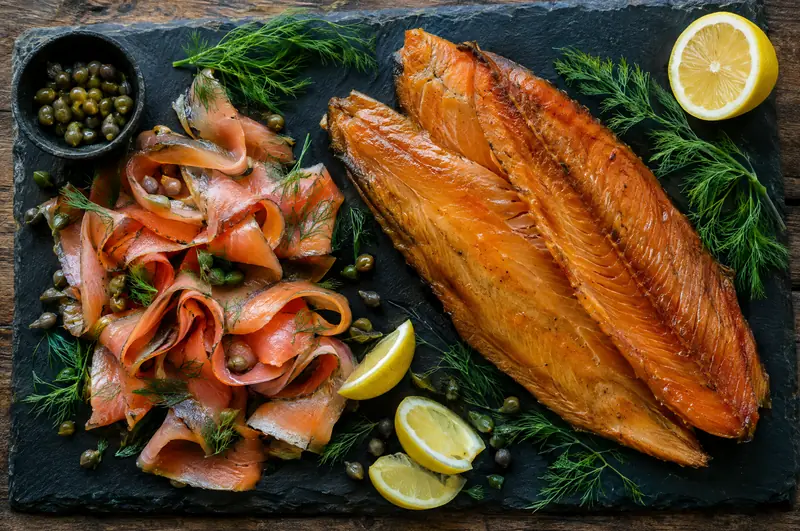
The smokehouse turns out two styles. Cold-smoked ribbons are silky and mild, the kind you lay over a bagel or a salad. Hot-smoked fillets are cooked through, flaky and firmer, better for pate, pasta and a quick lunch.
Starting a trout farm in South Africa
Trout farming looks simple from the side of a raceway and is not. The hard parts are water, permits and cash flow, in that order. Water decides whether the fish survive a summer. Permits decide whether you are allowed to farm or stock them at all. Cash flow decides whether you survive the long gap between buying ova and selling your first table fish.
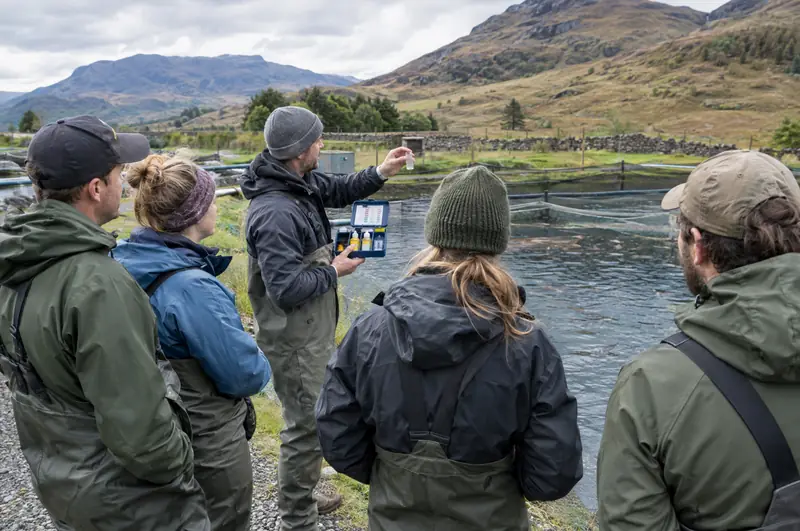
We help in two ways. Setup consulting covers site visits, water testing and a realistic first-year plan. Fish farming training puts you or your staff on a working hatchery to learn the daily routine before you risk your own stock.
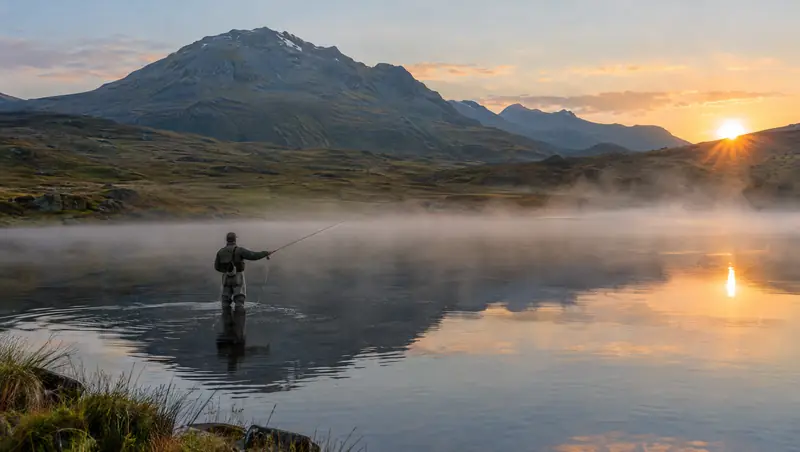
Fly fishing and farm visits near Dullstroom
Dullstroom is known for fly fishing, and the farm has stocked still water for anglers who want a quiet half day or full day. For families and schools, guided tours walk through the hatchery, the raceways and the ponds, with time to feed the fish at the end.
Both are by booking, so the water is never crowded. Fly fishing at Stillriver or book a farm tour.
Trout products and services near Dullstroom
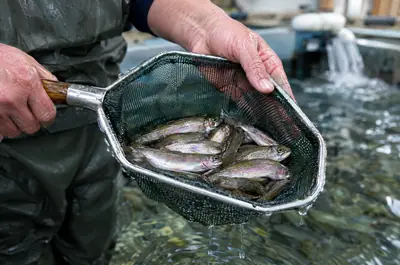
Trout fingerlings
Rainbow and brown trout fingerlings for dams, venues and grow-out farms, with stocking advice on every order.
Read more about trout fingerlings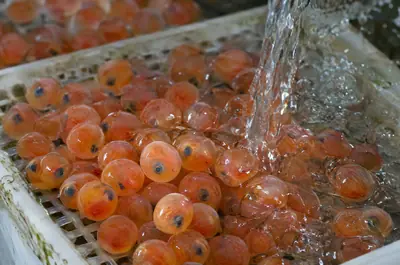
Eyed trout ova
Eyed rainbow trout ova for hatcheries that run their own incubation, packed cold for the trip.
Read more about eyed trout ova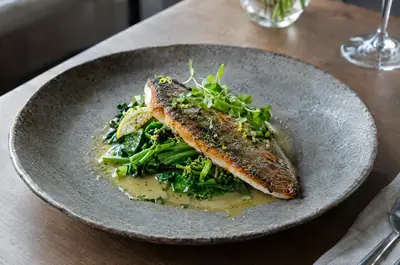
Fresh trout wholesale
Whole fish and fillets for restaurants, butchers and retailers in Mpumalanga and Gauteng, on a weekly schedule.
Read more about fresh trout wholesale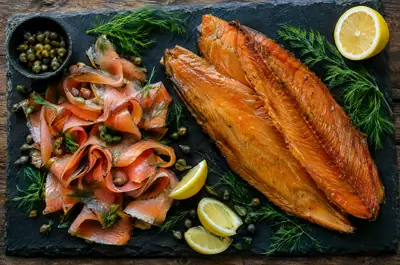
Smoked trout
Cold-smoked ribbons and hot-smoked fillets from our own fish, for the deli counter, the menu and the home fridge.
Read more about smoked trout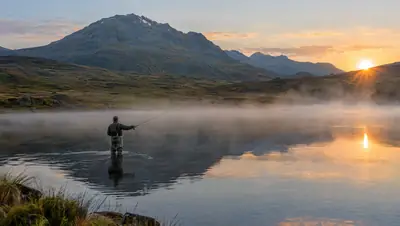
Stocking trout in dams
Whether your dam can hold trout, how many to put in, and when. Includes our stocking calculator.
Read more about stocking trout in dams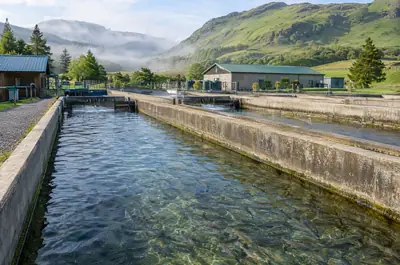
Trout farm setup
Site checks, water testing, permits and a realistic first-year plan for people starting a trout farm.
Read more about trout farm setup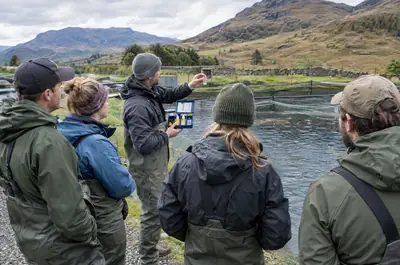
Fish farming training
Practical courses at a working hatchery, from water quality to harvest, for beginners and farm staff.
Read more about fish farming training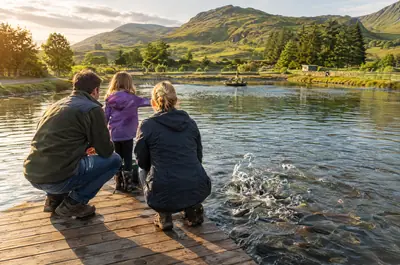
Farm tours
Walk the raceways, see the hatchery and feed the fish. Families, schools and groups by booking.
Read more about farm tours
Fly fishing
Stocked still water a short drive from Dullstroom village, booked by the half day or full day.
Read more about fly fishingWhere Stillriver Trout delivers
Live fish and ova across the Mpumalanga Highlands. Fresh and smoked trout to Mbombela, Johannesburg and Pretoria on scheduled runs.
Trout questions from Highlands customers
Where can I buy trout fingerlings in Mpumalanga?
Stillriver Trout breeds rainbow and brown trout fingerlings near Dullstroom and delivers across the Mpumalanga Highlands. Tell us your dam size, depth and water source on the quote form or by WhatsApp and we will confirm availability, species and a delivery date.
Can I put trout in any farm dam?
No. Trout need cool, well-oxygenated water. Water above about 21 °C for more than a few hours can kill rainbow trout, so shallow, sunny dams are risky in late summer. Deep, spring-fed or stream-fed dams are the best fit. Read stocking trout in dams before you order.
How many trout should I stock in my dam?
It depends on surface area, depth, temperature and whether you feed the fish. Our stocking calculator gives a starting range from published pond guidance, and we adjust it for your water before we quote.
Do I need a permit to stock trout?
Possibly. The national invasive species listing for rainbow and brown trout has not come into force, but provincial rules apply. In Mpumalanga, permits have been required to sell and stock live trout except in dams not connected to rivers. Confirm with the Mpumalanga Tourism and Parks Agency before stocking.
Do you sell trout to restaurants in Johannesburg and Pretoria?
Yes. We supply whole fresh trout, fillets and smoked trout to kitchens and shops in Gauteng and Mpumalanga on scheduled delivery runs. See wholesale trout for sale or ask for the current price list.
Can I visit the farm or fish there?
Yes, by booking. We run guided farm tours for families, schools and groups, and offer fly fishing on stocked still water near Dullstroom.